For centuries, a simple, unassuming fabric has been a secret weapon in kitchens, dairies, and craft rooms. That fabric is cheesecloth. More than just a tool for making cheese, this versatile material is a multi-purpose workhorse that can elevate your culinary projects, simplify food preparation, and even inspire creative endeavors. Whether you're a seasoned chef, a home cheesemaker, or a DIY enthusiast, understanding the different types and uses of cheesecloth is key to unlocking its full potential.
What is Cheesecloth and Why Does Grade Matter?
At its core, cheesecloth is a lightweight, gauzy cotton fabric with an open weave. Its utility comes from this very structure, which allows liquids to pass through while trapping solids. However, not all cheesecloth is created equal. It is categorized by "grade," which refers to the number of threads per inch. The higher the grade, the tighter and denser the weave.
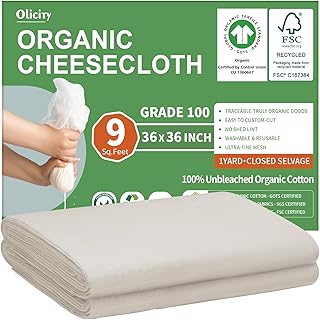
Grade 100 cheesecloth, often called "butter muslin," is the finest and most durable option. With its ultra-dense weave, it's perfect for tasks requiring a super-fine strain, like clarifying butter, making Greek yogurt, or crafting delicate cheeses. Products like the Cotton Farm Grade 100 XL Cheese Cloth exemplify this premium category, offering a reusable, hemmed fabric that won't shed lint into your food.
Beyond the Dairy: Surprising Uses for Cheesecloth
While its name suggests a single purpose, the applications for cheesecloth are remarkably diverse.
In the Kitchen:
Straining is its most famous role. Use it to make clear stocks and broths, strain yogurt to create labneh or Greek yogurt, squeeze fresh nut milks, or filter homemade juices and kombucha. It's also indispensable for cheese making, from soft ricotta to pressed cheddars. For holiday cooks, wrapping a turkey or chicken in cheesecloth soaked in butter or oil (a method popularized by Julia Child) results in incredibly moist and evenly browned poultry. A versatile pack like the 6-Pack Beige Cheesecloth is ideal for these everyday kitchen tasks.
For Crafts and Home:
The fine, breathable fabric makes excellent material for DIY crafts. Use it as a base for papier-mâché, as a delicate fabric for ghost decorations, for stamping and dyeing projects, or even as a natural wrap for homemade soaps and gifts.
Choosing the Right Cheesecloth: Key Features to Consider
With so many options available, here’s what to look for when selecting your culinary cheesecloth:
Material: Always opt for 100% cotton. It's food-safe, absorbent, and durable. Unbleached cotton is preferable for many, as it hasn't been treated with chemicals like chlorine. For an eco-conscious choice, consider Organic Cheese Cloths with GOTS certification.
Reusability & Construction: Reusable cheesecloths are more economical and sustainable. Look for products with hemmed or closed edges, like the 12Pcs Reusable Cheese Cloths with 4 hemmed edges. This prevents fraying and makes the cloths much more durable through multiple washes.
Size and Convenience: Cheesecloth comes in large pieces you can cut to size or convenient precut squares. Precut packs, such as the Precut Cheesecloth 4 Pack or the Mostdream 10Pcs pack, save time and reduce waste for common tasks.
Bleached vs. Unbleached: This is largely a personal preference. Unbleached cloths have a natural beige color, while bleached ones are white. Some cooks prefer bleached for a visually cleaner look when straining light-colored foods, and products like GoodCook Everyday Bleached Cheesecloth fill this need. Unbleached is often chosen to avoid any residual chemicals.
Care and Maintenance of Your Cheesecloth
To get the most out of your reusable cheesecloth, proper care is essential. Rinse it immediately in cold water after use to remove food particles. Then, hand-wash or machine wash in warm water with a mild detergent. Avoid fabric softeners, as they can coat the fibers and reduce absorbency. Hang to dry or tumble dry low. With good care, a high-quality Grade 100 cheesecloth can last for many, many uses.
From its humble beginnings in the dairy, cheesecloth has proven itself to be an indispensable tool. Whether you're clarifying a consommé, making fresh cheese, straining holiday gravy, or starting a craft project, having the right cloth on hand makes all the difference. By understanding grades, materials, and features—like the durable, lock-edged design of the High-Grade 100 Cheesecloth 6-Pack—you can confidently choose a cheesecloth that will become a trusted part of your kitchen toolkit for years to come. For a deeper dive into specific types and techniques, check out our comprehensive Ultimate Guide to Cheesecloth.